Every generation faces a shortage of laborers. Replacing aging laborers is vital, as is pioneering into places where the Gospel has not yet advanced. An awareness of this growing need should motivate God’s people to pray for laborers and witness His faithfulness in calling, directing, and preparing workers for fields that are white unto harvest.
A Shepherd’s Heart
For those privileged to train future generations of workers, a shepherd is a helpful analogy (Ezekiel 34; Acts 20:28; 1 Peter 5:1–4). Devoted shepherds strengthen the weak, heal the sick, bind up the injured, seek the lost, and rescue the straying (Ezekiel 34:4). This labor involves self-sacrifice and a genuine concern for the sheep. Teaching sound doctrine and recognizing error reflect that concern, for they protect the sheep from grievous wolves (Acts 20:29) and from being carried away by every wind of doctrine (Ephesians 4:14).
Many theology students pour their energy into study while neglecting their daily walk with the Lord. Studies should fill not only the mind but also the heart. One can learn the Greek word for love, but the student must learn to love by turning to the Great Shepherd of the sheep. As Jesus said, “Apart from Me you can do nothing” (John 15:51). Taking heed to oneself (1 Timothy 4:16; Acts 20:28) and being filled with the Spirit enable purity, love, compassion, patience, and joy to overflow from a shepherd’s life into his ministry.
Feeding the Flock
Growing in Christ also involves trusting the sufficiency of Scripture to reprove, correct, and instruct others in righteousness (2 Timothy 3:16). Effective communication of God’s Word must be central to a minister’s formation. Confidence in the Word (the Sword of the Spirit) will direct studies toward exposition of what God has said rather than imposition of one’s own ideas. Authority and boldness in preaching flow directly from this same conviction.
Formal and Informal Training
Training future leaders has been a function of the Church at large and occurs in both formal and informal settings. Informal, on-the-go training was modeled by our Lord with His disciples. As the disciples followed their Master, they gained practical experience in teaching, training, caring, correcting, and discipling others.
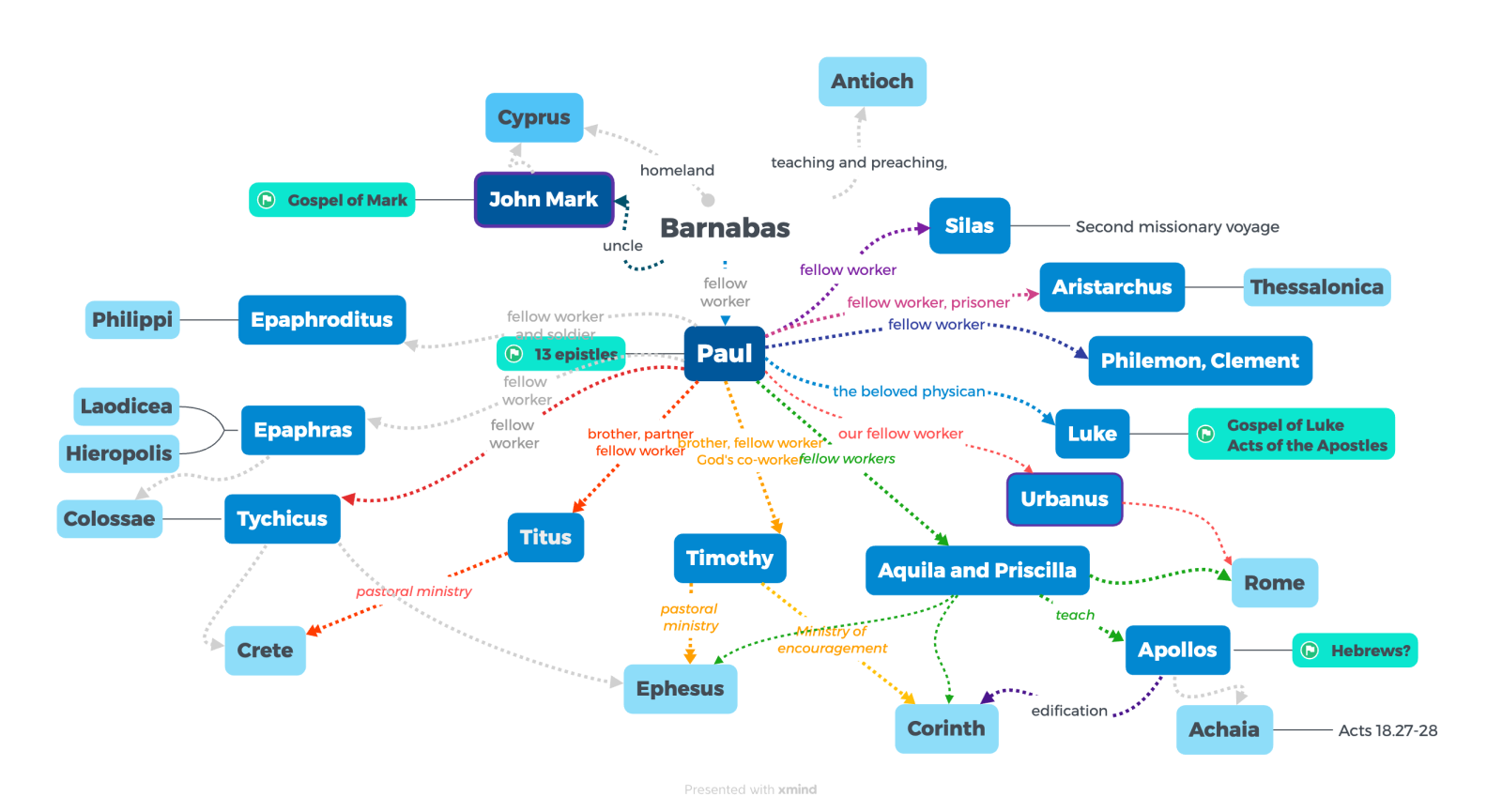
Paul followed this same pattern, drawing co-laborers into ministry wherever he went. The number of men he influenced directly is remarkable. Entrusting men in training with active involvement in ministry provides the concrete experience necessary for the work ahead (Romans 15:14). Informal training is usually the first step before formal training; Paul himself took advantage of a venue called “the hall of Tyrannus” for more in-depth teaching of “disciples” (Acts 19:9).
When should someone transition from informal to formal training? A few questions are worth asking.
- Spiritual desire: Is there a genuine calling? As 1 Timothy 3:1 states, “If anyone aspires to the office of overseer, he desires a noble task.”
- Intellectual aptitude: Does the student possess the necessary educational foundation? Most seminaries require a high school diploma or a bachelor’s degree to begin advanced training.
- Capacity for commitment: Can the student dedicate the necessary time? Earning a Master of Divinity degree typically requires a three- to four-year commitment.
- Practical roadblocks: What challenges lie ahead? Financial strain is almost always a primary concern that must be considered.
An Example: France
When sending a student away isn’t feasible, local training options are worth considering. In France, the institute I work with has been in existence for over 45 years with graduates now serving across France and around the world. Over 30 pastors help in this endeavor. This year the school has 10 students, two full-time missionary staff members, including me and a part-time secretary.
Not all schools are the same, but the following framework works well in France:
- Classes: Weeklong modules, daily from 8 a.m. to noon with a mid-morning break. Teachers come for the full week to teach their classes.
- Curriculum: The institute offers surveys of every book of the Bible, individual book studies, and classes in every major area of theology. Students in the three-year program are required to prepare and defend a confession of faith at the end of their studies. Preaching is practiced across four separate weeks each year, alongside church history classes and practical courses such as apologetics, cults, ethics, Jewish evangelism, Islam, music, missions, and prayer. Many of these men go on to become pastors.
- Spiritual life: We hold a 30-minute daily chapel where students and teachers present short challenges followed by a time of prayer. Students also organize and hold their own weekly prayer meetings.
- Languages: Optional Greek and Hebrew courses are offered in the afternoons for those interested.
- Professors: Our pastors and graduates teach subjects tailored to their unique backgrounds. For example, a former Catholic priest teaches on Catholicism; a former missionary to Algeria teaches on Islam; and others teach according to their own areas of expertise. Most importantly, professors build close relationships with students through shared meals and conversations after class.
- Housing: Simple dormitories. Students manage meals through a set contribution and a weekly cooking schedule. Shared chores keep costs down.
- Christian service: All students are required to be actively involved in a local church ministry throughout their time at the institute.
- Period of study: We offer a one-year introductory program and a comprehensive three-year program for those considering full-time ministry. Online learning is also available for those who cannot attend in person.
More information: www.institutbiblique.eu
It is a blessing to see how the Lord has used the institute to help train men and women to be effective servants in their local churches. Former students minister across France and internationally, including various parts of Africa. The following fascinating map illustrates the multiplication effect of faithful teachers influencing faithful listeners who then become faithful teachers themselves.
1 Unless otherwise noted, Scripture quotations are taken from the ESV® Bible (The Holy Bible, English Standard Version®), Copyright © 2008 by Crossway, a publishing ministry of Good News Publishers. Used by permission. All rights reserved.